Cloud Native Architecture: Zero-Trust Bare Metal Kubernetes
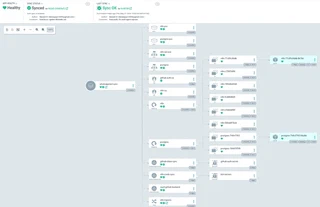
An ongoing, 10-phase infrastructure build demonstrating modern DevSecOps principles. This active laboratory project is transforming bare-metal hardware into a highly available, self-healing, and secure Kubernetes environment using GitOps methodologies.
Overview
I wanted to move beyond simple cloud provider tutorials and understand how the underlying compute layers actually work. I engineered this cluster to enforce zero-trust security and eliminate manual configuration drift, proving that enterprise-grade automation can be built from bare metal using virtualization, secure tunneling, and GitOps.
Infrastructure Capabilities
1. Virtualized Compute & Zero-Trust Access
- KVM Hypervisor - Ubuntu guest virtual machine running efficiently on a bare-metal Kali Linux host.
- Tailscale Mesh VPN - Hardened, zero-trust SSH access tunnel completely isolating the host from the public internet.
- Declarative Provisioning - Utilizing OpenTofu to dynamically provision and manage the infrastructure state.
2. Container Orchestration & Networking
- K3s Orchestration - Lightweight, highly available Kubernetes deployment.
- Dynamic Ingress - Traefik configured as the primary ingress controller to manage robust routing and load balancing.
3. CI/CD & GitOps
- Continuous Integration - GitHub Actions automates the building and pushing of Docker images for immutable rollbacks.
- ArgoCD Synchronization - Cluster state is bound directly to the Git repository using Helm and Kustomize.
- Zero Manual Drift - ArgoCD automatically detects and overwrites any manual changes, enforcing strict GitOps compliance.
4. Secret Management
- HashiCorp Vault - Centralized, encrypted storage for all sensitive credentials and API keys.
- External Secrets Operator (ESO) - Dynamically injects Vault secrets directly into Kubernetes pods.
System Architecture
┌─────────────────┐    (Builds Docker Image)    ┌───────────────────────┐
│ GitHub Actions  │────────────────────────────▶│  Container Registry   │
│  (CI Pipeline)  │                             │     (GHCR / Hub)      │
└─────────────────┘                             └───────────────────────┘
         │                                                  │
         │ (Updates Manifests)                              │ (Pulls Image)
         ▼                                                  ▼
┌──────────────┐     ┌───────────────┐     ┌───────────────────────┐
│              │     │               │     │ Kubernetes (K3s)      │
│  Git Repo    │────▶│    ArgoCD     │────▶│ ┌───────────────────┐ │
│ (Manifests)  │     │  (Controller) │     │ │  Traefik Ingress  │ │
│              │     │               │     │ └───────────────────┘ │
└──────────────┘     └───────────────┘     │ ┌───────────────────┐ │
                                           │ │ k3s-whatsapp-bot  │ │
┌──────────────┐     ┌───────────────┐     │ │ (n8n + Postgres)  │ │
│              │     │   External    │     │ └───────────────────┘ │
│  HashiCorp   │◀────│    Secrets    │◀────│ ┌───────────────────┐ │
│    Vault     │     │   Operator    │     │ │   ESO Injector    │ │
│              │     │               │     │ └───────────────────┘ │
└──────────────┘     └───────────────┘     └───────────────────────┘
[ Infrastructure: KVM Ubuntu Guest on Kali Metal | Secured via Tailscale ]
Engineering Outcomes
- 🚀 Full CI/CD: 100% automated pipeline from code push (GitHub Actions) to cluster synchronization (ArgoCD).
- 🔒 Security: Host isolated via Tailscale; zero hardcoded secrets via Vault and ESO.
- 📉 Configuration Drift: Reduced to 0% through strict ArgoCD reconciliation loops.
Technical Deep Dives (Architecture Series)
To explore the raw code, YAML manifests, and how I solved specific architectural challenges across the lifecycle, read my detailed engineering write-ups:
- 📝 Stage I: Architecting a Bare-Metal KVM & K3s Foundation - Deep dive into Phases 1-4: Virtualizing Ubuntu on Kali via KVM, Tailscale SSH tunnels, and OpenTofu provisioning.
- 📝 Stage II: CI/CD Pipeline, GitOps & Ephemeral Secrets - Deep dive into Phases 5-6: Docker builds via GitHub Actions, Helm/ArgoCD drift elimination, and Vault/ESO injection.
- 📝 Stage III: Perimeter Defense & Observability (Coming Soon) - Deep dive into Phases 7-8: Cloudflare Tunnels and Prometheus/Grafana telemetry.
- 📝 Stage IV: Purple Teaming Laboratory (Coming Soon) - Deep dive into Phases 9-10: Executing automated attack paths against the cluster and Building a SIEM alerting pipeline.
The 10-Phase Engineering Roadmap
This cluster is designed as a living DevSecOps laboratory. I am currently executing Phase 7 of a comprehensive, capability-driven lifecycle.
Stage I: The Compute Foundation (✅ Completed)
- ✅ Phase 1: Base Hypervisor - Bare-metal Kali Linux hosting KVM.
- ✅ Phase 2: Virtualization & Access - OpenTofu provisioning of the Ubuntu guest and zero-trust Tailscale SSH tunneling.
- ✅ Phase 3: Container Orchestration - High-availability K3s cluster bootstrapping.
- ✅ Phase 4: Edge Routing - Dynamic ingress and load balancing via Traefik.
Stage II: Automation & Zero-Trust (✅ Completed)
- ✅ Phase 5: CI/CD Pipeline - GitHub Actions building Docker images and ArgoCD/Helm synchronizing the GitOps state.
- ✅ Phase 6: Ephemeral Secrets - Zero-trust credential injection via HashiCorp Vault and ESO.
Stage III: Perimeter Defense & Observability (⏳ In Progress)
- ⏳ Phase 7: Zero-Trust Perimeter - Integrating Cloudflare Tunnels for unexposed, secure ingress.
- ⏳ Phase 8: Full-Stack Telemetry - Deploying Prometheus & Grafana for cluster observability.
Stage IV: Purple Teaming Laboratory (📅 Planned)
- 📅 Phase 9: Offensive Simulation (Red) - Executing automated attack paths against the cluster to validate resilience.
- 📅 Phase 10: Threat Detection (Blue) - Building a SIEM alerting pipeline to capture the offensive testing telemetry.
